Introduction
When it comes to landscaping in Greensboro, the choice of plants can make or break your outdoor space. Many homeowners find themselves overwhelmed by the plethora of options available, especially when it comes to selecting flowers. If you're looking for reliable, low-maintenance blooms that can stand the test of time and thrive in the unique climate of Greensboro, you're in luck! This article will explore perennial favorites that not only enhance the beauty of your landscape but also provide a sustainable option for gardeners.
Whether you’re a seasoned gardener or just starting out, understanding which flowers grow well in your region can be beneficial. So roll up your sleeves and prepare to dive into the world of perennial flowers that make a lasting impact on any Greensboro landscaping project!
Perennial Favorites: Flowers that Thrive in Greensboro
Greensboro's climate is characterized by warm summers and relatively mild winters, making it an ideal environment for various perennial flowers. These hardy plants return year after year, providing consistent beauty without requiring constant replanting. The following sections will delve deeper into specific perennial flowers that are particularly suited for Greensboro gardens.
Understanding USDA Plant Hardiness Zones
Before we jump into our list of perennial favorites, it's essential https://writeablog.net/drianatcay/the-art-of-edging-perfecting-your-lawns-borders to understand what USDA Plant Hardiness Zones mean for your garden. Greensboro falls within Zone 7b, which means:
- Average minimum winter temperature ranges from 5°F to 10°F. A growing season typically extends from April through October.
This information helps you determine which plants will thrive and survive through the seasons.
Top Perennial Flowers for Landscaping in Greensboro
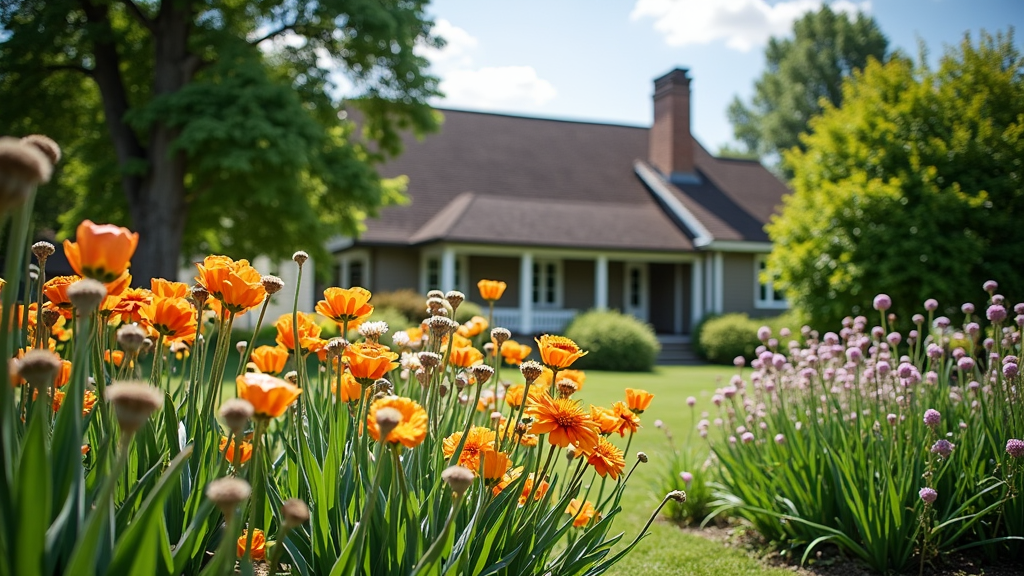
Daylilies (Hemerocallis spp.)- Why They're Great: Daylilies are virtually indestructible and come in a variety of colors. Care Tips: They prefer full sun but can tolerate partial shade.
- Why They're Great: Known for their vibrant yellow petals and dark centers, they attract butterflies. Care Tips: They thrive in well-drained soil with full sun exposure.
- Why They're Great: These sturdy plants are drought-resistant and have medicinal properties. Care Tips: Plant them in clusters for maximum visual impact.
- Why They're Great: With their succulent leaves, sedums require minimal water. Care Tips: Ideal for rock gardens or as ground cover.
- Why They're Great: These shade-loving plants produce stunning feathery plumes. Care Tips: Keep soil consistently moist for best results.
- Why They're Great: Their classic white petals with yellow centers bring cheer to any garden. Care Tips: Prune spent blooms to encourage more flowering.
- Why They're Great: Lantanas are known for their colorful clusters and ability to attract pollinators. Care Tips: Best grown in sunny areas with well-draining soil.
- Why They're Great: Coreopsis flowers add bright colors from spring until frost. Care Tips: Tolerates poor soils but thrives with regular deadheading.
- Why They're Great: Renowned for their lush blooms and intoxicating fragrance. Care Tips: Protect from strong winds as they can be heavy when fully bloomed.
- Why They're Great: Perfect for shady spots; hostas boast beautiful foliage even when not flowering. Care Tips: Mulching helps retain moisture in the soil.
Creating a Pollinator-Friendly Landscape
One significant benefit of choosing these perennials is their ability to attract pollinators like bees and butterflies—essential components of a healthy ecosystem! By incorporating flowers such as coneflowers and black-eyed Susans into your landscape design, you contribute positively to biodiversity while beautifying your yard.
Design Ideas Featuring Perennial Flowers
Now that you've got some great options, how do you incorporate them into your landscaping? Here are some ideas:
- Mixed Borders: Combine tall perennials like hollyhocks with shorter varieties such as daylilies to create depth. Color Schemes: Choose complementary colors; yellows with purples or whites with blues make striking combinations. Layering Effects: Use taller plants at the back of beds and shorter ones at the front for an impressive layered look.
Maintaining Your Perennial Garden
Maintaining perennials is less demanding than caring for annuals, but some attention is still necessary:
- Watering: Ensure regular watering during dry spells; however, established perennials often require less frequent watering compared to annuals. Fertilizing: A balanced fertilizer applied once or twice during the growing season can boost growth and blooming potential. Pruning: Deadhead spent blooms regularly to encourage further flowering and remove any diseased foliage promptly.
FAQs
1. What are perennials?
Answer: Perennials are plants that live for more than two years, returning each season without needing to be replanted annually.
2. When is the best time to plant perennials in Greensboro?
Answer: The best time to plant perennials is early spring or fall when temperatures are milder, allowing plants to establish roots before summer heat arrives.
3. How do I choose the right perennial flower for my garden?
Answer: Consider factors like sunlight availability, soil type, moisture levels, and local wildlife preferences when selecting perennials suitable for your landscape design.
4. Can I mix different types of perennial flowers together?
Answer: Absolutely! Mixing different varieties can create a vibrant display while ensuring continuous blooms throughout the growing season.
5. Do perennials require much maintenance?
Answer: Generally speaking, perennials require less maintenance than annuals; however, regular watering during dry spells and occasional deadheading will help keep them healthy and blooming beautifully!
6. How do I prepare my garden bed before planting perennials?
Answer: Clear away weeds and debris from your garden bed; then amend the soil with organic matter like compost before planting your chosen perennials!
Conclusion
In conclusion, choosing perennial favorites that thrive in Greensboro can significantly enhance your landscaping efforts while contributing positively to local ecosystems by attracting pollinators! From stunning daylilies to hardy black-eyed Susans, there’s no shortage of beautiful options available—each presenting its unique charm throughout various seasons!
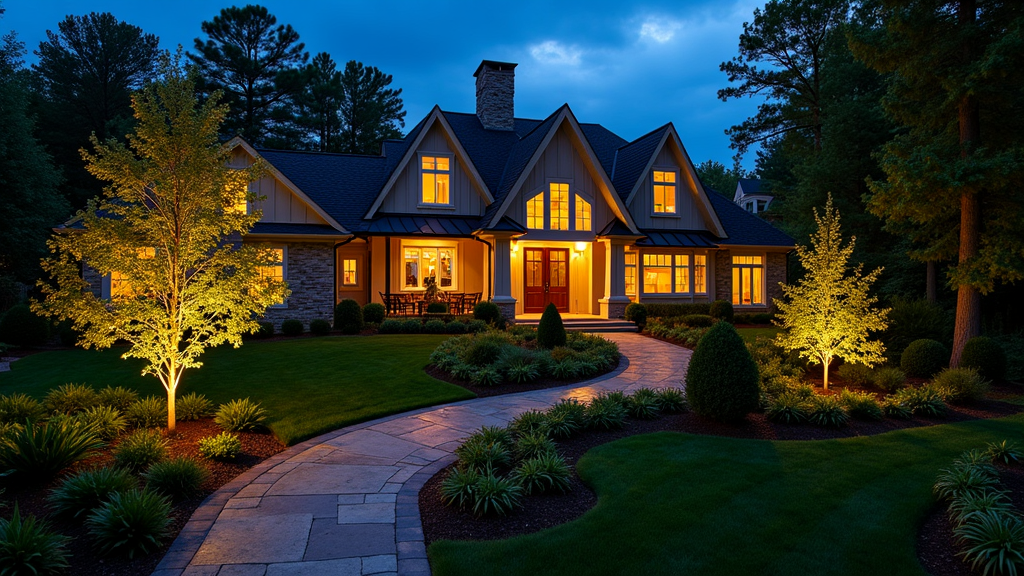
By planning effectively using these guidelines—understanding USDA zones along with creating pollinator-friendly environments—you’ll ensure that your garden remains a source of joy year after year! So why wait? Start exploring these amazing perennial choices today! Happy gardening!